It’s 5 PM, dinner is burning, your toddler has knocked over their cup for the third time – and you can feel the heat rising inside you. You don’t want to scream, but the anger is faster than your mind. You are not alone. Every mother knows these moments when everything becomes too much. The good news: There are concrete tools that can help you break the anger spiral – before it overwhelms you.

Why Anger Can Rise Quickly in Mothers
Anger is not a weakness – it is a signal. Often, it shows us that our limits have been crossed, that we are exhausted or overwhelmed. The difference lies in how we handle it. When you understand that your anger is a response to stress, lack of sleep, or absence of breaks, you can approach it differently.
Many mothers struggle with guilt after an outburst. But self-blame doesn’t help. What really helps: concrete strategies that you can recall in moments of tension – which also replenish your energy reserves in the long run.
The 7 Practical Emergency Tools at a Glance
1. The 4-7-8 Breathing: Your Anchor in 30 Seconds
When anger surges, your body switches into fight-or-flight mode. Conscious breathing exercises immediately break this reflex. The 4-7-8 technique is simple: Inhale through your nose (count to 4), hold your breath (count to 7), exhale through your mouth (count to 8). Repeat three times.
This exercise lowers your heart rate, promotes blood circulation to the brain, and gives you back control. You can do it anywhere – at the stove, in the bathroom, even with your child in your arms. Tip: Stand by an open window, breathe consciously, and feel the fresh air on your skin.

2. Get Out of the Room – Create Distance
Sometimes the best thing you can do is gain physical distance. Go to another room, sit briefly in the bathroom, or put your child in the stroller and take a walk around the block. This short timeout gives you the chance to re-evaluate the situation.
It is not a sign of weakness, but of strength: You recognize your limit and take action before crossing it. Important: Calmly tell your child that you need a moment to breathe – it shows them that even adults need breaks.
3. Movement as a Valve: Letting Anger Out Safely
Built-up aggression needs an outlet. Physical activity is the healthiest way to let it go. Have a pillow fight with your child, throw soft items against the wall, or dance wildly to loud music. These actions release tension and often bring back laughter.
For older children, you can also do jumping jacks together or run in place. Movement releases endorphins and changes the mood – for you and your child.

4. Mini-Breaks in Daily Life: Replenish Your Energy Reserves
Anger often arises because your tank is empty. Regular small breaks are not a luxury, but a necessity. This could be your second coffee in the morning, five minutes of sun salutations, or a mindful moment with closed eyes.
- Plan at least three mini-breaks each day (5-10 minutes each)
- Use waiting times mindfully: while breastfeeding, during your child's playtime, in the car
- Establish small rituals just for yourself: drinking tea, journaling, listening to music
These moments refill your energy reserves and make you more resilient in the long run. You can only give from a full cup.
5. Logical Consequences Instead of Spontaneous Reactions
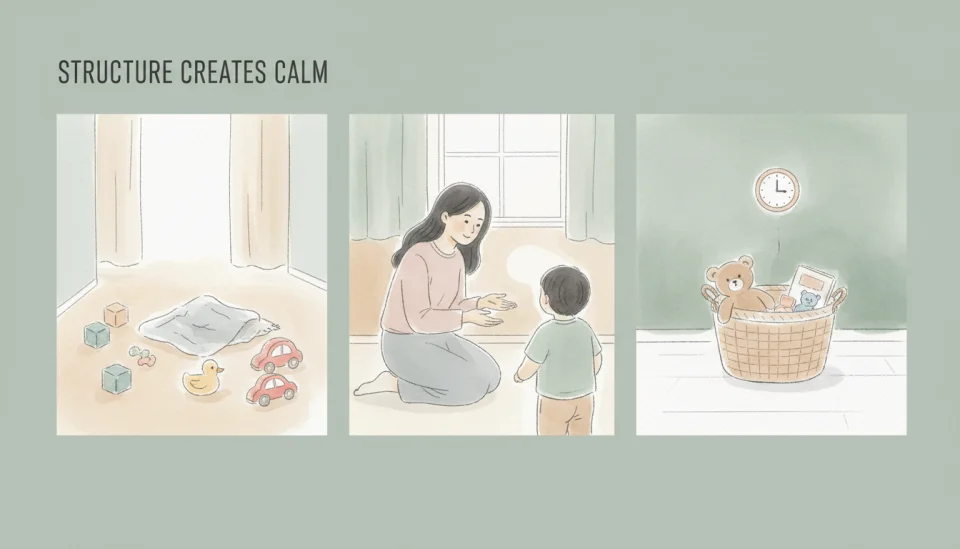
Many outbursts occur during recurring conflicts: the child dawdles while getting dressed, doesn’t clean up, or argues over food. Clear, logical consequences provide structure and reduce stress. When your child knows the consequences and you consistently enforce them, reliability is established.
Example: "If you don’t clean up your toys, they will go in the box for today." No threats, no discussions – just calm clarity. This gives you a sense of agency and offers your child guidance.
6. Self-Compassion Instead of Self-Criticism
Pay attention to your inner dialogue. How do you talk to yourself when you get angry? Many mothers engage in harsh self-talk: "I am a bad mother," "I am failing," "I should be able to do this better." These thoughts amplify anger and shame.
Instead, try to adopt a compassionate attitude: "I am exhausted and that’s okay," "I am learning to manage anger better," "I am good enough." Self-compassion is not a luxury, but the key to emotional regulation.
7. After the Storm: Apologize and Explain
If you do explode, it is not the end. Apologize to your child – as soon as possible and sincerely. Explain in simple words what happened: "Mom was very tired and shouted loudly. That wasn’t okay. I’m sorry."
This apology is important for your child, but also for you. It helps you process feelings of guilt and shows your child that adults make mistakes and can acknowledge them. This is a valuable lesson in emotional intelligence.

Long-Term Strategies for More Calmness
The emergency tools help you in the acute moment – but true change comes from long-term self-care. Invest in your own recovery: adequate sleep (as much as possible), regular exercise, social contacts, and moments just for you.
Consider whether you need professional support. If anger regularly overwhelms you or you feel persistently exhausted, counseling or therapy can provide valuable insights. Asking for help is a sign of strength, not weakness.
Create Your Personal Emergency List
Every mother is different – and what works for one may not work for another. Create your own emergency list with the tools that work best for you. Write them down, stick them on the fridge, or save them on your phone.
- Which of the 7 tools resonates with you the most?
- Which can you implement immediately, even with a child?
- Which mini-breaks can you plan daily?
- Who can support you when you need a timeout?
In the first few days, you may forget to apply the tools – that’s normal. Practice makes the master. The more often you consciously pause, breathe, or create distance, the more natural it will become.
You Are Not Alone – and You Can Do This
Anger is part of being a mother. It doesn’t make you a bad mother – it makes you human. The crucial difference lies in how you handle it. With these 7 tools, you have concrete strategies at hand to help you regain control.
Be patient with yourself. Change takes time. Every small step – every conscious breath, every timeout, every apology – is a success. You are learning one of the most important skills ever: emotional self-regulation. And that is a gift you give not only to yourself but also to your child.
Medical Disclaimer
The information provided in this article is for educational purposes only and is not intended as a substitute for professional medical advice, diagnosis, or treatment. Always seek the advice of your physician or other qualified health provider with any questions you may have regarding a medical condition. Never disregard professional medical advice or delay in seeking it because of something you have read on this website.
Similar Posts
Meal Prep for Moms: 7 Energetic Recipes You Can Cook in 2 Hours
Between childcare, household chores, and everything else, there's hardly any time left for cooking. Discover how to prep...
5 Mini Rituals That Transform the Chaotic Day-Night Transition with Baby in 10 Minutes
Does the evening with your baby feel like a race against time? These science-backed mini rituals create a sense of safet...
5 Practical Tips for a Healthy Mama Energy Balance – How to Recharge for Real
You know the feeling: In the evening, you're more exhausted than after a marathon, even though you’ve “only” been a mom....
When Daily Life Overwhelms You: 3 Breathing Exercises That Give You True Calm in Just 2 Minutes
The baby is crying, the laundry is piling up, and your heart is racing? These three simple breathing exercises will help...