You lie in bed, your partner tenderly caressing you – and suddenly you notice: Your body is reacting differently than usual. What used to feel natural now feels uncomfortable. Vaginal dryness during pregnancy surprises many women and can cause uncertainty.
But here’s the good news: You are not alone, and there is a simple, safe solution. Lubricants can significantly enhance your intimate life during pregnancy – without any risk to you or your baby.

Why Lubricants Make Sense During Pregnancy
Your body is currently going through a hormonal rollercoaster. Estrogen and progesterone are constantly changing – and that affects your vaginal moisture. Many pregnant women experience phases of dryness, especially in the first and third trimesters.
This doesn’t mean you have to forfeit intimacy. Lubricants provide exactly what your body isn’t producing in sufficient amounts right now: Moisture and glide. They not only make sex more enjoyable, but can also help prevent minor injuries to sensitive mucous membranes.
The Specific Benefits at a Glance
- Comfort: No more burning, pulling, or uncomfortable feelings
- Protection: Less friction means fewer micro-injuries
- Relaxation: You can focus on closeness instead of discomfort
- Spontaneity: You don’t have to wait until your body is 'ready'
- Connection: Intimacy remains a lovely part of your relationship
Important to know: Lubricants do not affect your pregnancy or your baby, as long as you pay attention to the right composition. Your baby is safely protected in the amniotic sac.

Water-Based Lubricants: The Best Choice for Pregnant Women
Not all lubricants are the same – and during pregnancy, you should be especially picky. Water-based lubricants are the safest option for this special time.
Why? They best mimic your body’s natural moisture, are pH-neutral, and generally contain no harsh chemicals. Additionally, they are compatible with condoms (if you want to use extra protection) and do not leave stains.
What to Look for When Choosing
- Ingredients: The shorter the list, the better
- Glycerin-free: Can encourage yeast infections in some women
- No parabens: These preservatives are controversial
- Fragrance-free: Fragrances can cause irritation
- pH-neutral: Protects your natural vaginal flora (pH 3.8-4.5)
- Dermatologically tested: Provides additional safety
Good water-based lubricants are often marked 'suitable for sensitive skin' or 'gynecologically tested'. You can usually find a selection at the pharmacy or drugstore – don’t hesitate to ask!
Safety Comes First: What to Avoid
Just as important as choosing the right lubricant is knowing what you should avoid. Your body is now more sensitive, and some ingredients can do more harm than good.
These Ingredients Have No Place During Pregnancy
- Nonoxynol-9: A spermicide that can irritate mucous membranes
- Petroleum-based oils: Can damage condoms and promote infections
- Aggressive preservatives: Such as chlorhexidine or triclosan
- Menthol or capsaicin: Warming/cooling effects can be uncomfortable
- Synthetic dyes: Unnecessary and potentially irritating
Many midwives also advise against silicone-based lubricants, not because they are dangerous, but because they can be harder to wash off and may leave some women feeling uneasy. Natural oils like coconut oil are popular, but are not compatible with condoms and can change the vaginal environment.
If you’re unsure: Talk to your gynecologist or midwife. They know your individual situation and can provide specific recommendations.
Personal Preferences: Discover What Works for You
Every woman is different – and the same holds true for lubricants. What your best friend likes may not necessarily be your first choice. Listen to your body and try out what feels right for you.
Some women prefer thicker gels, while others enjoy lighter, more fluid textures. Some appreciate a completely neutral product, while others find a slight aloe vera feel pleasant.

Communication is Key
Openly discuss your needs with your partner. Perhaps they would like to apply the lubricant – this can be a lovely part of foreplay. Or you could explore different products together and find out what you both enjoy.
This openness not only strengthens your intimacy but also relieves pressure from the situation. It’s completely normal to use aids – just like nursing pillows or pregnancy pillows are part of everyday life.
Practical Tips for Application
The right application makes the difference between 'okay' and 'wonderful'. Here are tried-and-true tips to help you get started:
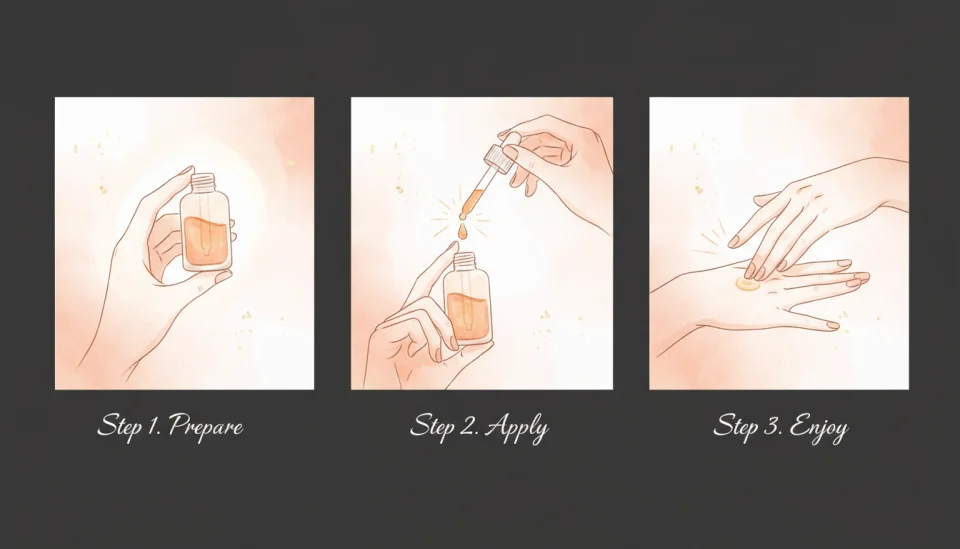
- Less is more: Start with a small amount (the size of a pea) – you can always add more
- Warm it up: Rub the lubricant briefly between your fingers for a more pleasant feel
- Timing: Apply it during foreplay, not just right before intercourse
- Both partners: You can use it on both yourself and your partner
- Replenish: Water-based lubricants can dry out – simply add a bit of water or more product
- Keep it handy: Store it in the nightstand so you don’t have to search for it
After sex, you can wash normally – warm water is completely sufficient. Avoid aggressive soaps or intimate sprays, as they can disrupt your vaginal flora.

Frequently Asked Questions About Application
- How often can I use lubricant? As often as you want – there is no limit as long as you are using a safe product.
- Can I use it alone? Absolutely! It’s great for solo play or for daily moisture during heavy dryness.
- What if it burns or itches? Wash it off immediately and change products – you are likely reacting to an ingredient.
- Do I need to switch after childbirth? Not necessarily, but your needs may change – remain flexible.
Your Well-Being Comes First
Intimacy during pregnancy can be beautiful – if you feel comfortable. Lubricants are not a sign of failure, but a practical tool that allows you and your partner to be close without discomfort.
Select a high-quality, water-based product without harsh chemicals. Listen to your body, communicate openly with your partner, and don’t hesitate to try different options. What works today may be different next month – your body is constantly changing, and that is completely okay.
You deserve to enjoy this special time to the fullest – in every way. Lubricants can be a small but effective component in achieving that.
Medical Disclaimer
The information provided in this article is for educational purposes only and is not intended as a substitute for professional medical advice, diagnosis, or treatment. Always seek the advice of your physician or other qualified health provider with any questions you may have regarding a medical condition. Never disregard professional medical advice or delay in seeking it because of something you have read on this website.
Similar Posts
4-7-8 Breathing Technique: From Pregnancy Anxiety to Inner Calm in 90 Seconds
Your heart races, thoughts spin – pregnancy fears can be overwhelming. The 4-7-8 breathing technique is your gentle tool...
Insomnia in the Third Trimester: 8 Proven Strategies for Restful Nights
64 percent of all pregnant women sleep poorly in the third trimester. Discover why your body can’t rest at night and wha...
Fear of Miscarriage in the First Trimester? These Facts Bring You Confidence
The first weeks of your pregnancy are filled with anticipation and uncertainty. Discover what the numbers really mean, h...
Baby Blues or Postpartum Depression? These 3 Warning Signs You Should Know
Unexplained tears, exhaustion, mood swings – many mothers experience a whirlwind of emotions after childbirth. But when ...