You lie in bed, feeling the closeness of your partner – and suddenly a quiet voice in your head whispers: Is this okay? Can it harm the baby? Many pregnant women recognize these thoughts. The truth is: your body is made for intimacy, even now. Let’s explore the facts together and clear away the uncertainties.

What Happens in Your Body During an Orgasm?
During the peak, a fascinating firework displays in your body – even during pregnancy. Your heart rate accelerates, happiness hormones like oxytocin and endorphins flood your body, and the uterus contracts slightly. These contractions are completely normal and have nothing to do with real labor.
In fact, the endorphins released act like your body’s natural painkillers – a natural feel-good cocktail for you and your baby. The rhythmic movements of the uterus are gentle and short, comparable to the Braxton-Hicks contractions that many women experience anyway throughout their pregnancy.
Your Body Works Differently – and That’s a Good Thing
Due to increased blood flow in the pelvic area during pregnancy, everything can feel more intense. Your genitals are better supplied with blood, and the nerve endings are more sensitive. Some women report that they experience more intense and longer orgasms than ever before – an unexpected gift of this special time.
- Increased sensitivity due to enhanced blood circulation
- Longer and more intense peaks possible
- Natural hormone release promotes relaxation
- Light uterine contractions are harmless

Is Orgasm Safe for Your Baby?
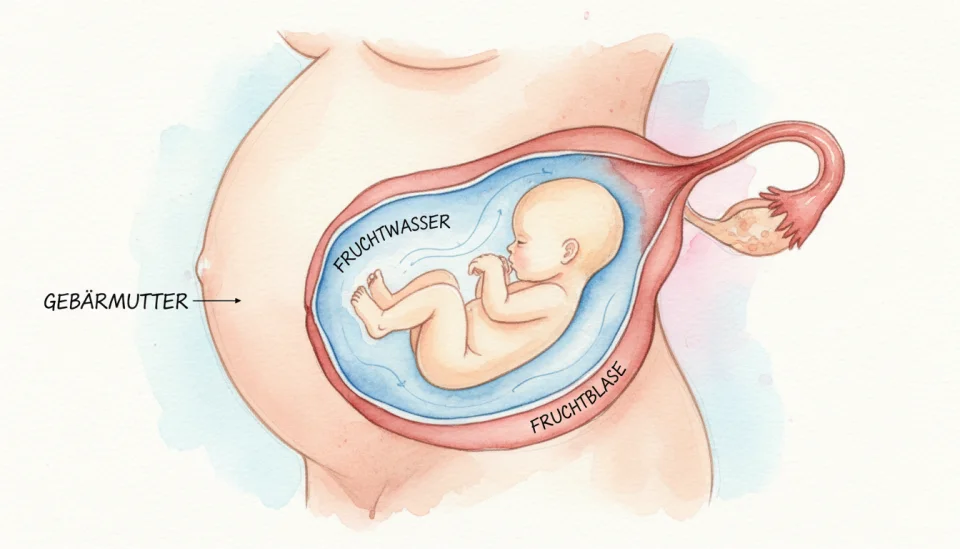
The short answer: Yes, absolutely. Your baby is perfectly shielded by multiple layers of protection. The amniotic sac, the amniotic fluid, and the strong uterine wall create a safe cocoon. Your little one feels neither bumps nor pressure – it gently rocks in its warm pool.
The slight contractions during orgasm are not strong enough to trigger premature labor. They differ fundamentally from real labor contractions in intensity, duration, and effect. If your pregnancy is normal, there is no reason to worry.
When Should You Be Cautious?
For most pregnancies, intimacy is completely harmless. However, there are specific situations where your doctor or midwife might advise restraint:
- Risk for premature labor or preterm birth
- Placenta previa (low-lying placenta)
- Preterm rupture of membranes
- Cervical incompetence
- Severe bleeding during pregnancy
When in doubt, remember: Talk openly with your medical team. They can assess your individual situation and provide concrete recommendations.
How Orgasm During Pregnancy May Change
Every pregnancy is unique – and so is your experience of desire. While some women experience a true sexual renaissance, others feel less interested. Both reactions are completely normal and can change from trimester to trimester.
In the first trimester, many struggle with nausea and fatigue – not exactly the ideal mood for intimacy. The second trimester often brings a surge of energy and increased libido, while in the third trimester, the growing belly requires creative positions.
What Women Commonly Experience
- Intensified Sensations: The increased blood flow can make everything feel more sensitive
- Longer Orgasms: Some women report experiencing extended peaks
- Changed Preferences: Positions and touches that were pleasant before may feel different
- Fluctuating Libido: Your desire may vary from day to day
- Emotional Component: Hormones can intensify or dampen the sexual experience
What’s important: Listen to your body. What feels good is right. What feels uncomfortable you can decline – without guilt.

Recommendations for Relaxed Intimacy
Intimacy during pregnancy may feel different – and this is an invitation to discover new things together. With a few practical adjustments, you can enjoy this time without worry.
Positions That May Feel Good
- Side Position (Spoon): No pressure on the belly, relaxed for both
- You on Top: You control the pace and depth
- All Fours: Relieves the back and gives you control
- Side to Side: Intimacy with eye contact, without belly pressure
Tips for More Comfort and Safety
Small adjustments can make a big difference. Try out what works for both of you – without performance pressure, with plenty of patience and humor.
- Use pillows to support your belly, back, or legs
- Take your time for extensive foreplay
- Communicate openly about what feels good and what doesn't
- Lubricant can help if your mucous membranes have changed
- Take breaks when you need them
- Remember: Intimacy is more than penetration – tenderness counts just as much

Openly Addressing Fears and Taboos
Many couples feel uncertain when it comes to sex during pregnancy. This hesitation is understandable – but often unfounded. Open communication is key, both in the partnership and with your medical team.
Common concerns that are completely normal:
- “Can I harm the baby?” – No, your baby is perfectly protected
- “Can orgasms trigger contractions?” – Only in very rare high-risk pregnancies
- “Is it normal that I have no desire?” – Absolutely, hormones affect libido
- “My partner is afraid of hurting me or the baby.” – Discuss it together with the midwife
How You Can Find Each Other as a Couple
Pregnancy changes the dynamics – physically and emotionally. Some partners feel insecure, while others find pregnancy attractive. Talk to each other without accusations, with patience and understanding.
If uncertainties remain, don’t hesitate to bring it up at your next check-up. Doctors and midwives have heard these questions a thousand times – and can advise you competently. There are no embarrassing questions when it comes to your health and well-being.
Intimacy during pregnancy can be a wonderful way to stay close as a couple, relieve stress, and strengthen the bond. Your body is capable of amazing things – trust it, listen to it, and enjoy this special time in your unique way.
Medical Disclaimer
The information provided in this article is for educational purposes only and is not intended as a substitute for professional medical advice, diagnosis, or treatment. Always seek the advice of your physician or other qualified health provider with any questions you may have regarding a medical condition. Never disregard professional medical advice or delay in seeking it because of something you have read on this website.
Similar Posts
4-7-8 Breathing Technique: From Pregnancy Anxiety to Inner Calm in 90 Seconds
Your heart races, thoughts spin – pregnancy fears can be overwhelming. The 4-7-8 breathing technique is your gentle tool...
Insomnia in the Third Trimester: 8 Proven Strategies for Restful Nights
64 percent of all pregnant women sleep poorly in the third trimester. Discover why your body can’t rest at night and wha...
Fear of Miscarriage in the First Trimester? These Facts Bring You Confidence
The first weeks of your pregnancy are filled with anticipation and uncertainty. Discover what the numbers really mean, h...
Baby Blues or Postpartum Depression? These 3 Warning Signs You Should Know
Unexplained tears, exhaustion, mood swings – many mothers experience a whirlwind of emotions after childbirth. But when ...